Analytical Assessments

A CLEAR VIEW OF THE FILM

Our review approach isolates formal craftsmanship, thematic resonance, and the experiential demands placed upon the viewer. We examine what a work sets out to achieve, evaluate how effectively its language delivers on that promise, and preserve the integrity of your initial screening.

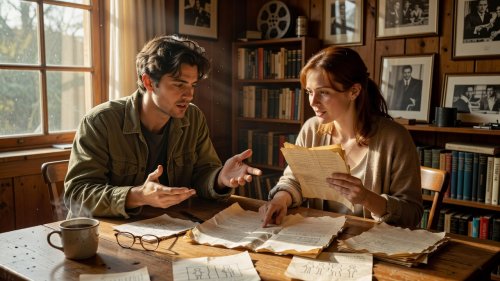
Individuals discussing quiet film narratives in natural daylight Verdict: Essential Viewing
2023 • Written & Directed by Celine Song • 106 Minutes • A24

Past Lives

Celine Song's debut feature operates within the quiet corridors of emotional reality. Spanning twenty-four years across Seoul and New York City, the film tracks Nora and Hae Sung—childhood companions whose connection endures through video calls and physical reunion decades later. Rather than staging an artificial triangular crisis with Nora's American husband Arthur, Song crafts an adult drama predicated on profound respect, emotional literacy, and the untranslatable concept of In-Yun.

Formal Strengths

  • Exquisite 35mm cinematography capturing city texture without tourist romanticism
  • Disciplined restraint in musical score, allowing silence to carry psychological weight
  • Nuanced, unselfish performances that avoid emotional manipulation

Viewer Considerations

  • Deliberately understated dramatic peaks; rewards contemplative attention
  • Significant portion delivered in Korean with English subtitles
  • Avoids traditional romantic resolutions in favour of philosophical closure
"Past Lives recognises that leaving a country or choosing a partner is not simply a narrative fork, but a quiet mourning for the unlived versions of ourselves."

Audience Fit: Tailored for viewers who appreciate character-driven works like Richard Linklater's Before trilogy or Wong Kar-wai's In the Mood for Love. If you seek rapid narrative progression or heightened interpersonal melodrama, the film's tranquil cadence may feel restrained.

Person studying a journal about period frontier cinema Verdict: Demanding Rhythm
2019 • Directed by Kelly Reichardt • 122 Minutes • A24

First Cow

Reichardt’s cinema is one of domestic labour, tactile ecology, and peripheral Americana. Set in 1820s Oregon Territory, First Cow concerns Otis "Cookie" Figowitz, a quiet cook traveling with fur trappers, and King-Lu, a shrewd Chinese immigrant seeking opportunity. Their clandestine scheme to produce oily cakes using milk secretly harvested from the territory’s first domestic bovine constitutes the narrative spine, but the film's heartbeat lies in the vulnerability of male comradeship amidst harsh frontier economics.

Formal Strengths

  • 4:3 aspect ratio emphasizing vertical forest enclosures and human proximity
  • Painstaking historical recreation free from Hollywood frontier romanticism
  • Exceptional Foley sound design capturing mud, wood smoke, and dawn light

Viewer Considerations

  • Extreme pacing deceleration; initial scenes unfold in real-time choreographies
  • Subtle dialogue mixing requiring attentive audio playback conditions
  • A bittersweet fable structure that resists conventional thrill-mechanisms

Audience Fit: Unreservedly recommended for enthusiasts of slow cinema, ecological realism, and humanist period drama. Not built for casual background viewing.

Screening group debating character intentions in natural lighting Verdict: Intricate Drama
2023 • Directed by Justine Triet • 151 Minutes • Neon

Anatomy of a Fall

Awarded the Palme d'Or at the 2023 Cannes Film Festival, Justine Triet's courtroom procedural dismantles the illusion of forensic certainty. When a man falls to his death from an isolated chalet in the French Alps, his wife, the novelist Sandra Voyter (played with formidable precision by Sandra Hüller), stands trial for homicide. The central witness is their visually impaired eleven-year-old son, Daniel.

The legal battle quickly transitions from physical trajectory analysis into a ruthless deconstruction of a marriage, creative rivalry, and the fallibility of memory. By forcing the trial to unfold across alternating French and English exchanges, Triet foregrounds how language itself distorts emotional evidence.

Formal Strengths

  • Complex multi-layered sound design acting as crucial psychological testimony
  • Superlative lead performance by Sandra Hüller exploring unsentimental womanhood
  • Avoidance of conventional courtroom melodrama cliches

Viewer Considerations

  • Runtime exceeding two and a half hours, sustained primarily by dialectical dialogue
  • Deliberate absence of an absolute factual resolution

Audience Fit: Essential viewing for enthusiasts of legal dissection, moral ambiguity, and intellectual drama such as Billy Wilder's Witness for the Prosecution or Sidney Lumet's The Verdict.